
Discovery & Strategy
Sales Journey Automation Planning Package
When the process fits how your team sells, revenue flows.
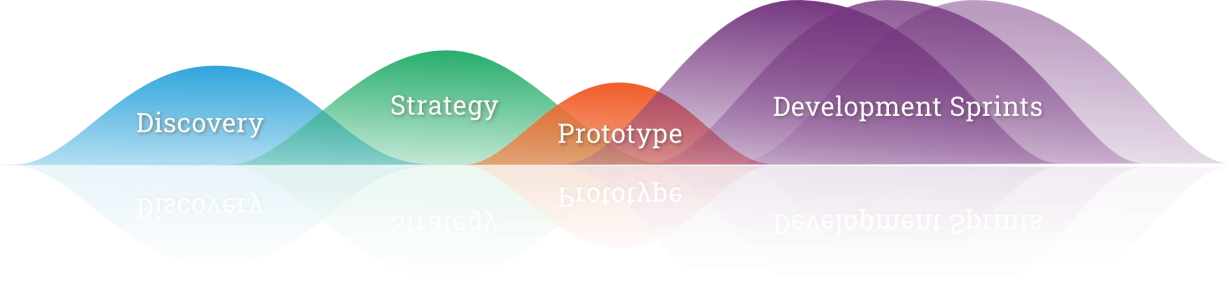
Our 4-step Discovery & Strategy Framework uncovers where deals slow down, designs the automations that clear friction, and builds a roadmap your team can trust.
The result is certainty in the form of a clear plan, with mapped processes, clean handoffs, and automation that accelerates revenue without burning out your team.
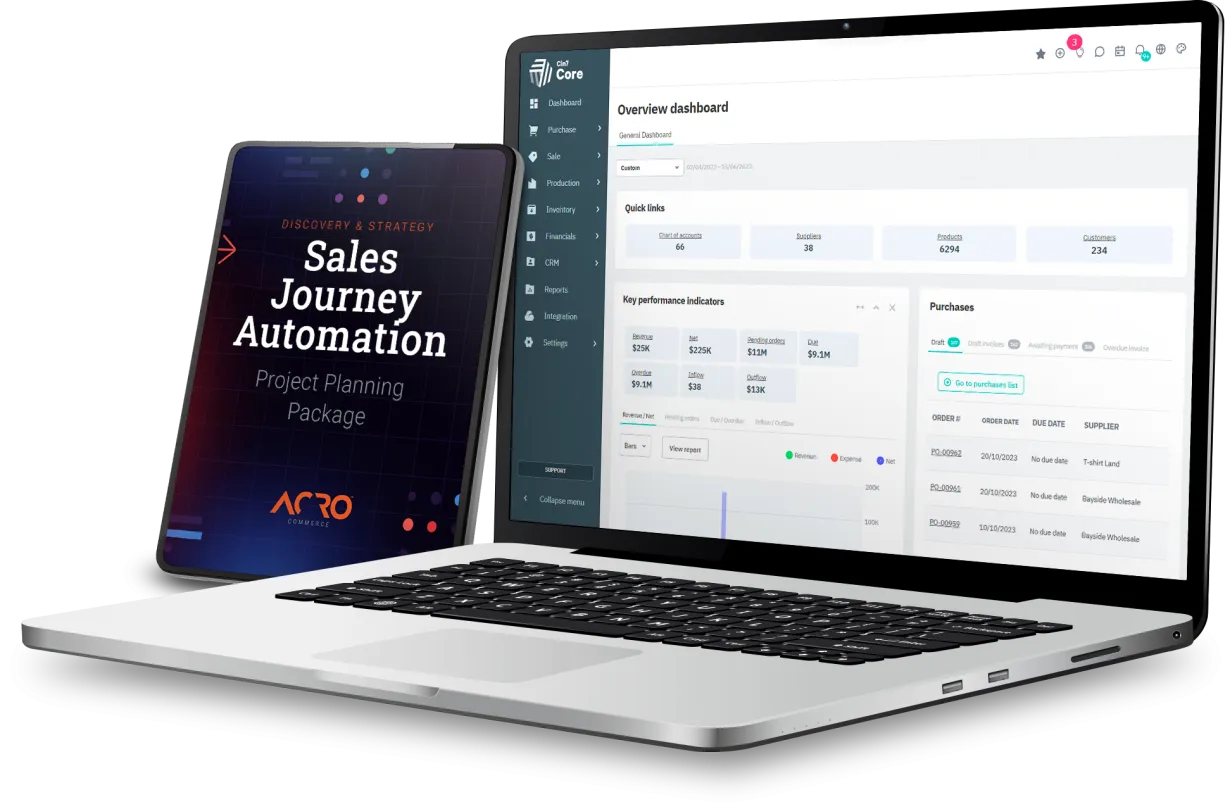
Why Discovery & Strategy pays for itself
- Prevent revenue leakage
Slow speed-to-lead, broken routing, and clumsy approvals quietly drain your pipeline. We surface these gaps in planning so they never reach production. - Accelerate delivery
With journey maps, system diagrams, and a working prototype, your team knows exactly what to build. Projects move faster because decisions are made early. - Protect rep capacity
When automation fits the way your team sells, reps spend time with buyers, not tools. That shows up in meetings booked and deals closed. - Proven outcomes
Teams that invested in planning avoided months of rework by validating scoring, routing, and territory rules in a prototype before any automation went live.
What Discovery & Strategy delivers
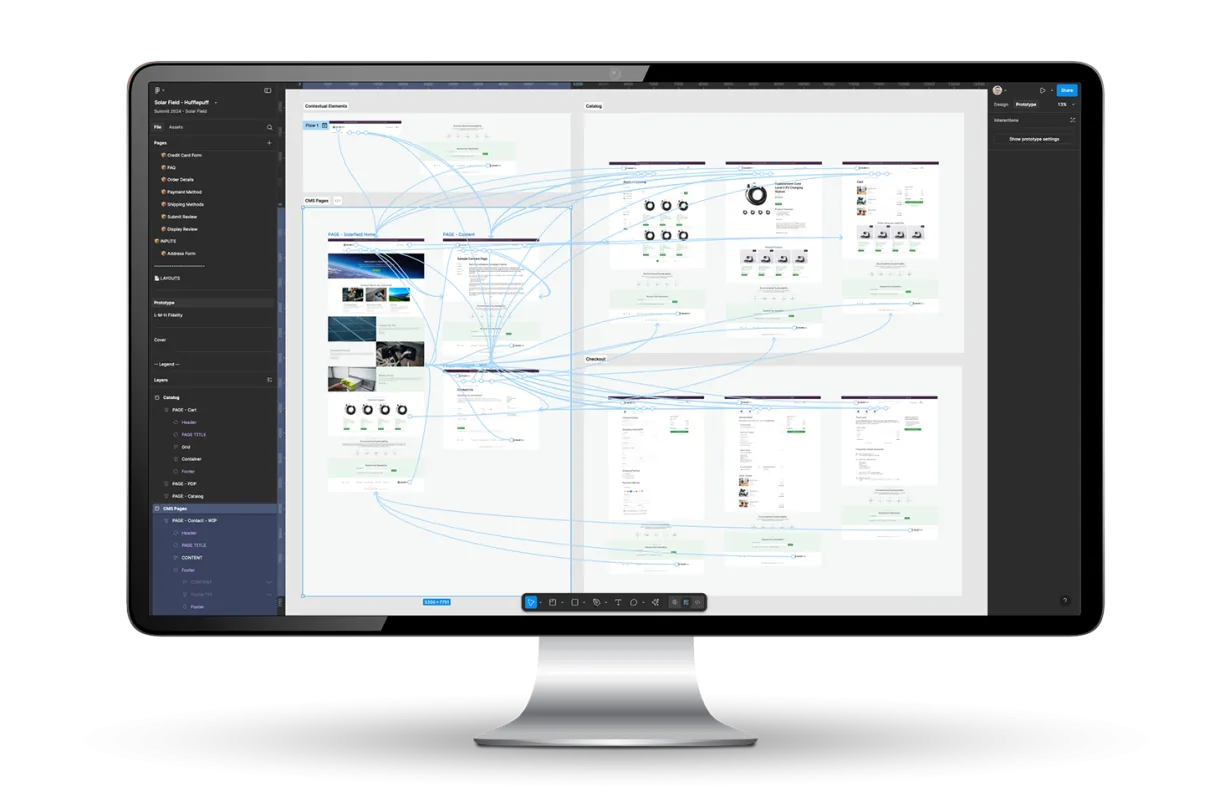
Clickable prototype
You will log in and click through the automated journey before anything is built.
Not slides. A working model that simulates real flows: form submit to score, territory match to alert, Service Level Agreement (SLA) timer to escalation, deal won to onboarding.
We do this with you in the room. Your team clicks through it. Your questions shape the plan. Gaps surface before development, so adjustments are quick and cost you nothing to unwind.
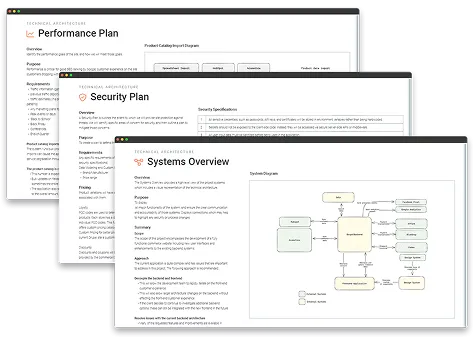
Technical blueprint
Your revenue stack on one map.
CRM, Marketing Automation Platform (MAP), Configure, Price, Quote (CPQ), and ERP are connected with clear ownership, sync cadence, and fallbacks. Scoring models documented. Routing and round-robin rules defined. Approval paths and handoffs are spelled out.
That diagram, with data models and integration requirements, becomes the blueprint both sides sign before development begins.
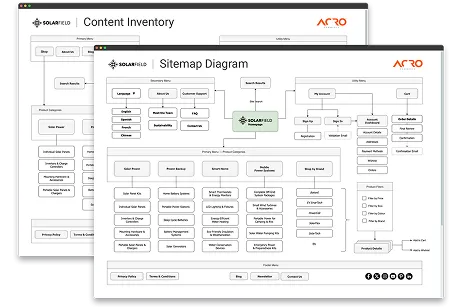
Information architecture
Journeys, playbooks, and fields are structured to ensure that data stays clean and automations remain stable.
Lead and account taxonomies, lifecycle stages, and SLA definitions are mapped in detail, eliminating reliance on tribal knowledge or manual workarounds.
Clean in design. Clean in function.
Estimates & phased roadmap
No gambling on open-ended budgets.
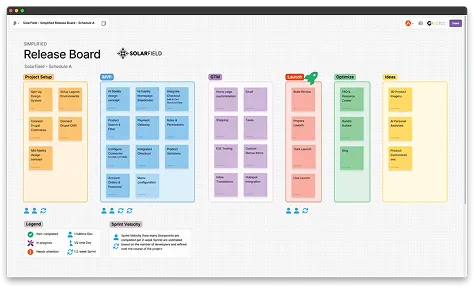
You leave Discovery & Strategy with a clear backlog of priorities, each matched to a budget and a delivery window. MVP first. Growth phases next. Timeline windows set. Ambition turns into a schedule your team can deliver.
Most sales journey automation planning engagements are completed in 4 to 6 weeks. Pace depends on how many workflows we validate together and the availability of your stakeholders.
What every sales journey automation must get right
- Speed to lead
If first-touch timing isn’t automated, response delays kill connect and qualification rates before a rep engages. - Scoring and routing
Scoring models and territory rules must be defined up front. If they’re vague, strong buyers stall in queues or end up with the wrong rep. - System handoffs
CRM, MAP, CPQ, and ERP systems must pass data cleanly. Any break in the chain creates order errors and erodes trust. - Approvals and playbooks
Unmapped approvals and sales playbooks cause bottlenecks. Reps burn cycles chasing sign-offs instead of moving deals forward. - Data structure
Lead and account taxonomies, lifecycle stages, and SLA definitions have to be documented. Without that foundation, automations collapse under growth. - Rep capacity
If automation doesn’t reduce admin, sellers spend more time updating tools than closing business. Burnout follows, and so does missed revenue. - Scalability
Automations must scale with new markets, products, and roles. Short-term patches only guarantee another rebuild.
How the engagement runs
- Kickoff and interviews.
We listen across sales, operations, IT, and support. - Information architecture.
Navigation, catalog rules, and content structures are mapped so the foundation is clear. - Technical planning.
Data movement, integrations, and performance are designed in detail. - Prototype.
A working model shows the most important flows, built on IA and technical planning. - Iteration.
Your feedback drives changes. Edge cases are captured. - Blueprint sign-off.
You approve the prototype, diagrams, and roadmap. Delivery begins with confidence.
What good planning ensures
Plan for clarity. Build with confidence.
Want to learn more about Discovery & Strategy?
Our 4-step Discovery & Strategy Framework helps you clarify priorities, align your team, and map the right path forward across systems and initiatives.
Whether the plan calls for strengthening what you already have or preparing for something new, you get a roadmap designed to deliver from day one.